Dear Designer: How Do I Build a Portfolio That Attracts the Clients I Want?
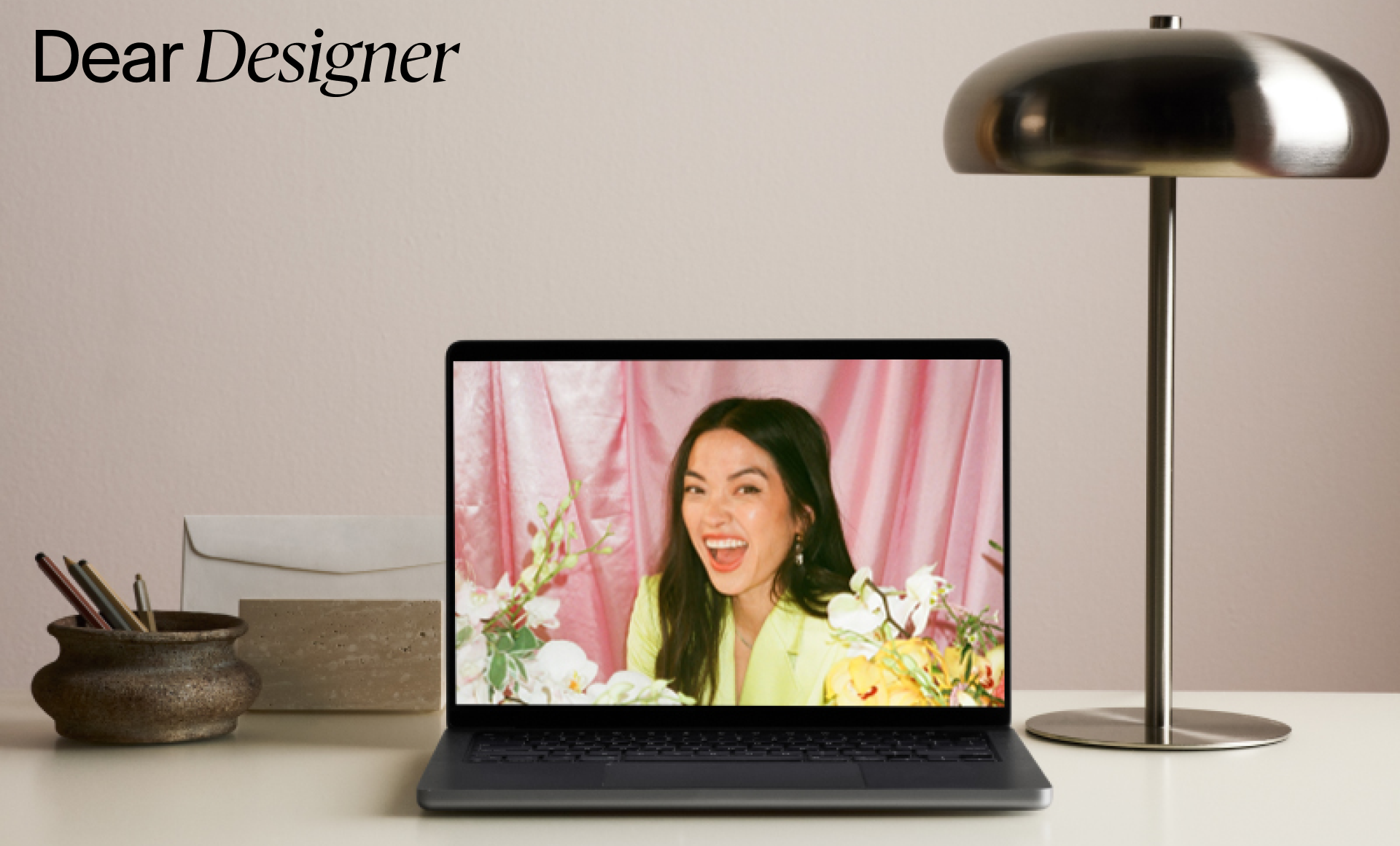
When I decided I was going to be a Squarespace designer, I had about 10 years of design experience behind me. So building a portfolio should be cake, right? Right?!
After teaching hundreds of students, I can tell you: It doesn’t matter how much experience you have. Everyone goes through a little mental spiral when it comes to designing their portfolio. (Cue me: raising hand.)
I had work from ad agencies like DDB, clients like Mountain Dew, Wells Fargo, and Activision on titles like Call of Duty, Guitar Hero, and Marvel games—but I left those jobs! That wasn’t the work I wanted anymore. I wanted to build websites for small businesses and creative people. All those impressive projects didn’t show anyone I could help them. It was just name-dropping.
On top of that, I had no freelance network. I didn’t even have Instagram. How do you build a portfolio without the right experience or the right connections, even when you know you can do the work?
First: Figure out what clients you’re trying to reach
Before I touched my portfolio, I asked myself three questions.
1. Who would you genuinely love to make a website for?
Who would actually make you excited to open your laptop? A small business owner just starting out? A wellness brand? A restaurant? A boutique design agency that you screenshot all the time? Get specific, even if it feels too niche or too soon.
2. Who’s already in your network today?
This isn’t your forever answer. It’s your starting point. Most of my students weren’t designers when they started—some came from the restaurant industry, taught yoga, or ran their own business. Their communities became their first real clients. You know those people. You could reach out to them today.
3. Do you have a passion project that could build community?
ilovecreatives started that way, and it’s been the source of most of my referrals for our agency, ilovecreatives Studio, ever since. One of my students talked about how hard it was to find pole dancing classes and good teachers. My suggestion: make a Squarespace site for that community. Build the world you wish existed! That one project could open up a whole portal of clients you actually want.
Once you have answers to any of these questions, you’ve got a direction for your first portfolio.
What about your personal brand?
When I first started freelancing, everyone told me to build a personal brand. And look, that advice isn’t wrong, but I was already overwhelmed with making my portfolio!
Here’s how I’d prioritize: If your bank account is getting low and you need clients, don’t worry about your personal brand yet. I spent so much time trying to figure out my aesthetic and how cool I could make my portfolio look, when really I just needed to prove I could do the work.
When I shifted focus to what was actually in my portfolio, that's when clients started coming in. I had proof of what I could do. And proof built my freelancing confidence—knowing how to charge, how to manage timelines, and how to scope a project without burning out.
So before you spend another week tweaking your homepage (like I did), ask yourself honestly: Do you need work right now, or do you need this time to express yourself? Both are totally valid! But they’re different phases. If you need to get paid, prioritize getting the right work into your portfolio first and keep branding simple.
You also don't need a lot of work. Three pieces is where I started, and it’s where our students start too. People care about the work way more than the container it lives in. Move the older stuff to a hidden page so your past isn't defining your future. Need inspiration? Check out some of our favorite student website pieces and portfolios.
What to do when you don’t have the right work yet
This is where spec work comes in. Spec work is basically fake work, and a lot of people feel really weird about it. It feels like you're faking it. But spec work is exactly what some design students pay $80,000+ a semester to create! Every creative field runs on it. The goal is to show what you’re capable of and how you think.
I’m sure you already know someone who needs a site. It’s probably why you’re here. You made a website for a friend, a brother, a parent. I love a trade, too. That’s how I built my first three websites: a friend’s travel company, another friend’s blog, and another friend’s leather bag company.
How to turn a finished project into a case study that actually wins clients
Case studies sound like they should have some incredible result in big bold letters. That may be true if you’re a performance marketing agency pitching a $1MM retainer. But for Squarespace web design, you just need to explain the process.
Most people looking for a Squarespace website have never built a website before. A restaurant owner running their business isn’t sitting around thinking about primary navigation. If they are, they’re probably thinking about becoming a Squarespace designer, haha.
When you walk someone through what you did, why you made certain decisions, and what was hard—that IS a great case study. Making something feel approachable is the whole job.
Here’s a simple exercise. Answer these questions with one sentence each:
What did this person or business need?
What was the hardest part for them before you started?
What did you actually do?
What happened after?
If you don’t know the answer to one, skip it. If something more interesting came up during the project, add that instead. Keep it short, because look… the person reading your portfolio is busy. They’re so busy they’re thinking about hiring someone to build their website!
Then, grab three to five screenshots or loopable videos that help tell the story of those answers. And if you have numbers (e.g., bookings, open rates, traffic, etc.), add them in. A genuine, human story about the process works just as well.
Your portfolio doesn’t need to be perfect, but it needs to be live so you can start making website dreams come true! You got this.
Related resources: